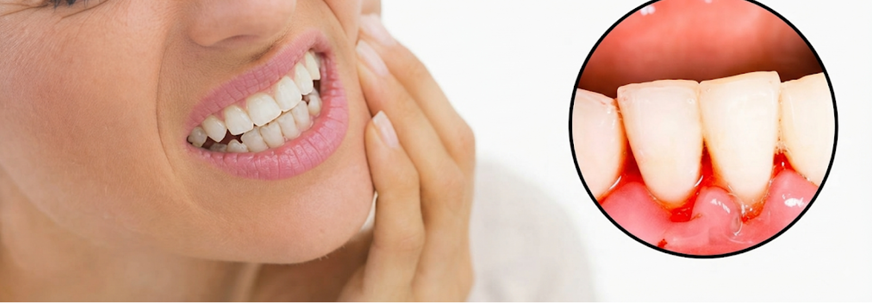
Bleeding while brushing or flossing is easy to dismiss as a minor irritation. However, repeated gum bleeding often signals inflammation that needs attention. Plaque buildup is a common trigger, especially when it hardens into tartar.
Gingivitis can develop first and may progress into periodontitis if ignored. Other factors can include smoking, hormonal changes, diabetes, medications, or nutritional problems. Redness, swelling, bad breath, recession, sensitivity, or loose teeth may appear alongside bleeding. The right approach depends on the cause and the stage of gum disease.
Professional cleaning can help when plaque and tartar are driving inflammation. More advanced periodontal problems may require deeper or surgical treatment. This blog explains bleeding gums causes and remedies, plus practical steps for healthier gums.
What Causes Bleeding Gums?
The most common dental cause is plaque, a sticky film containing bacteria that collects around the teeth and gumline. When plaque remains in place, it can harden into tartar, which cannot be removed effectively with normal brushing alone. Persistent irritation may lead to gingivitis and later, periodontitis.
Other possible contributors include Smoking or tobacco use, Pregnancy or other hormonal changes, Diabetes and some systemic conditions, Blood-thinning medicines, Vitamin deficiencies, Aggressive brushing or incorrect flossing, Poor-fitting dental restorations or appliances & Dry mouth and some medications. The cause matters because simple plaque-related inflammation and bleeding linked to medication or an underlying medical condition should not be managed in exactly the same way.
Early Symptoms You Should Never Ignore
Bleeding gums are often accompanied by other signs of declining gum health. These may include:
1. Red or swollen gums: Inflammation can make the tissue look darker, puffy, or tender.
2. Persistent bad breath: Ongoing halitosis may occur when bacteria and infected material remain around or below the gumline.
3. Gum recession: Teeth may appear longer as gum tissue pulls away and exposes the roots.
4. Sensitivity: Exposed roots can react sharply to hot or cold foods and drinks, causing teeth sensitivity.
5. Loose or shifting teeth: Mobility or changes in how teeth meet can indicate loss of supporting tissue, which may require orthodontic adjustment or periodontal care.
6. Pus or discomfort while chewing: These signs deserve prompt dental assessment from an emergency dentist or general practitioner, especially when combined with swelling or bleeding.
Best Treatments for Bleeding Gums in Abu Dhabi
There is no single treatment that is best for everyone. Care should match the cause, severity, gum-pocket depth, and amount of supporting tissue affected. This staged approach also reflects the treatment pathways in our Gum Disease Treatment.
1. Professional Dental Cleaning
For mild gum inflammation, professional scaling and polishing can remove plaque and tartar that contribute to bleeding. Cleaning is especially useful when gingivitis is linked to buildup around the gumline. The clinic's teeth cleaning and preventive care options can be reviewed alongside regular brushing and interdental cleaning.
2. Deep Cleaning (Scaling and Root Planing)
When inflammation has progressed below the gumline, scaling and root planing may be recommended. Scaling removes deposits from deeper areas, while root planing smooths contaminated root surfaces to support healing and gum reattachment. It is a common non-surgical treatment for early to moderate periodontitis. Our periodontal assessment determines whether advanced restorative treatment is actually needed.
3. The Role of Professional Diagnosis
Stopping visible bleeding does not necessarily remove its cause. A dental consultation can identify plaque and tartar levels, gum inflammation, periodontal pockets, recession, tooth mobility and possible bone involvement. Clinical examination, pocket measurements, and dental X-rays may be used when indicated.
Diagnosis is also important when bleeding may be related to medications or a medical condition rather than gum disease alone. Persistent bleeding should therefore not be treated only with home remedies.
4. Home Care Practices That Support Healing for Bleeding Gums
Home care can support professional treatment and reduce plaque between visits, but it should not replace treatment for established periodontal disease. A practical routine includes:
- ● Brush twice daily with a soft-bristled toothbrush.
- ● Use gentle, controlled brushing rather than scrubbing.
- ● Clean between teeth every day with floss or interdental brushes.
- ● Use a dentist-recommended mouthwash when appropriate.
- ● Avoid smoking and tobacco products.
- ● Maintain a balanced diet and stay well hydrated.
- ● Keep regular dental and periodontal reviews.
Warm salt-water rinsing may provide temporary soothing for irritated gums, but home remedies should be viewed as supportive care rather than a cure for tartar or periodontal infection.
Why Early Treatment Saves Teeth?
Gingivitis is generally reversible when the cause is addressed early, while advanced periodontitis can permanently damage bone and other supporting tissues. Once support is lost, treatment becomes more complex and may involve periodontal surgery, root canal treatment, or tooth replacement.
Early care can therefore help:
- ● Control inflammation before it progresses
- ● Protect the tissues supporting natural teeth
- ● Reduce the likelihood of tooth mobility and tooth loss
- ● Limit the need for more complex procedures
- ● Make long-term gum maintenance easier
Why Choose Al-Dhabi Dental & Orthodontic Centre in Abu Dhabi?
We highlight personalized dental care, modern technology, patient comfort, routine cleaning, dental consultations and periodontal treatment. Our dedicated gum-disease treatment also outlines routine checkup, scaling and root planing & surgical treatment. For a broader overview of available treatments, explore the full dental services.
Book Your Bleeding Gums Treatment Today
Persistent bleeding is a warning sign worth investigating rather than masking. Early care can often address gum inflammation before deeper damage develops. A professional assessment helps identify whether plaque, tartar, periodontal disease, medication, or another factor is involved.
Treatment can then be matched to the actual condition instead of relying on guesswork. Good home care remains important after professional treatment. Regular cleaning and follow-up can help maintain stable gum health.
Do not wait for bleeding to become associated with mobility, recession, or tooth loss; The dental team can assess your gums and explain suitable treatment options. Explore Al-Dhabi Dental & Orthodontic Centre for more information. For an appointment, contact us and arrange an evaluation.
